Leak Detection in Whittier, CA
Hidden supply leaks traced with non-invasive methods, so the repair opens the smallest possible patch of wall, ceiling, or floor.
- Meter and pressure testing.
- Non-invasive tracing first.
- Price quoted before work.
Water Bill Climbing And No Visible Leak?
A water bill that jumps with no change in habits, a meter that keeps turning when every tap is off, or a patch of damp drywall with no pipe in sight all point to a leak you cannot see. Leak detection in Whittier finds the exact spot before anyone cuts into a wall.
How Hidden Leaks Get Found
Detection works by narrowing the search. A technician first confirms that water is escaping, then isolates which part of the system is losing it, and only then listens or scans for the exact point. Each stage rules out a large share of the house.
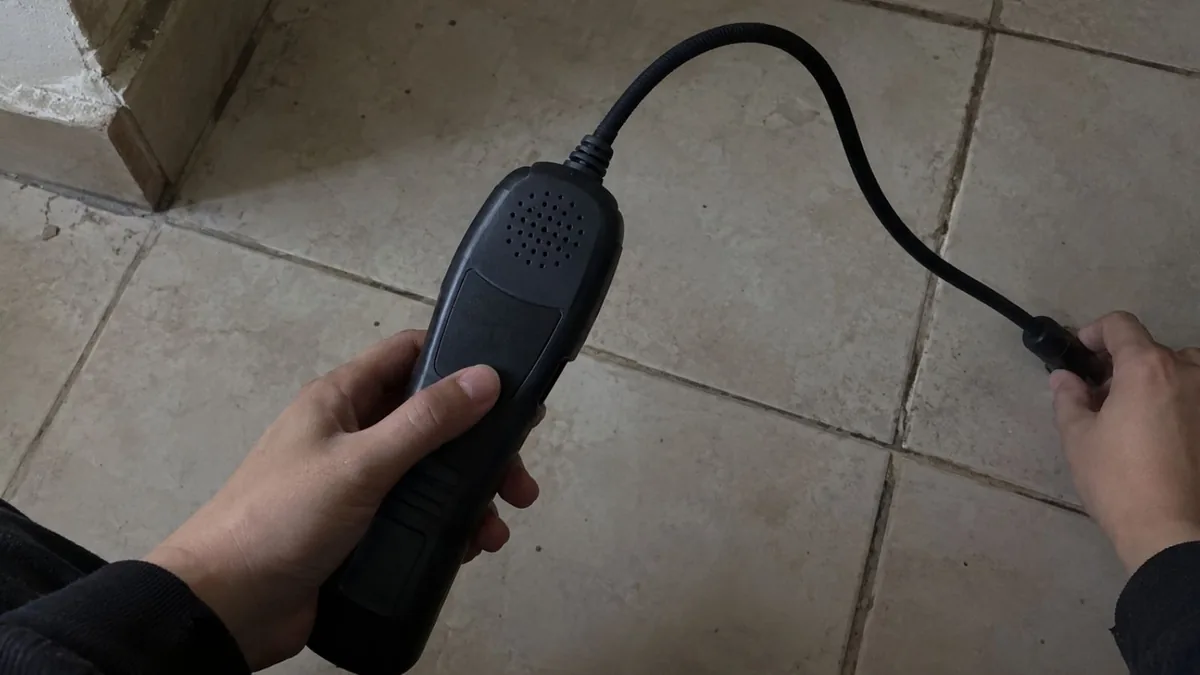
Methods commonly used include acoustic listening devices that hear the hiss of pressurized water, thermal imaging that shows temperature changes behind a surface, and pressure testing of isolated lines. For leaks that stay quiet, a non-toxic tracer gas can be pushed into the line and sniffed out at the surface.
Ask the dispatcher which method suits your situation. Any repaired line is pressure tested afterward, as the California Plumbing Code, which is based on the Uniform Plumbing Code (UPC), calls for.
Whittier's housing adds variety to the search. The 1950s is the city's most common build decade, and homes of that age can hide supply lines in walls, in crawlspaces, or beneath concrete. Knowing the foundation type shapes where the search starts.
Test Your Own Water Meter First
This takes about ten minutes and tells you whether water is leaking at all. Your water provider's meter is usually in a box near the curb.
- Turn off every fixture and appliance that uses water, including the ice maker and any irrigation timer.
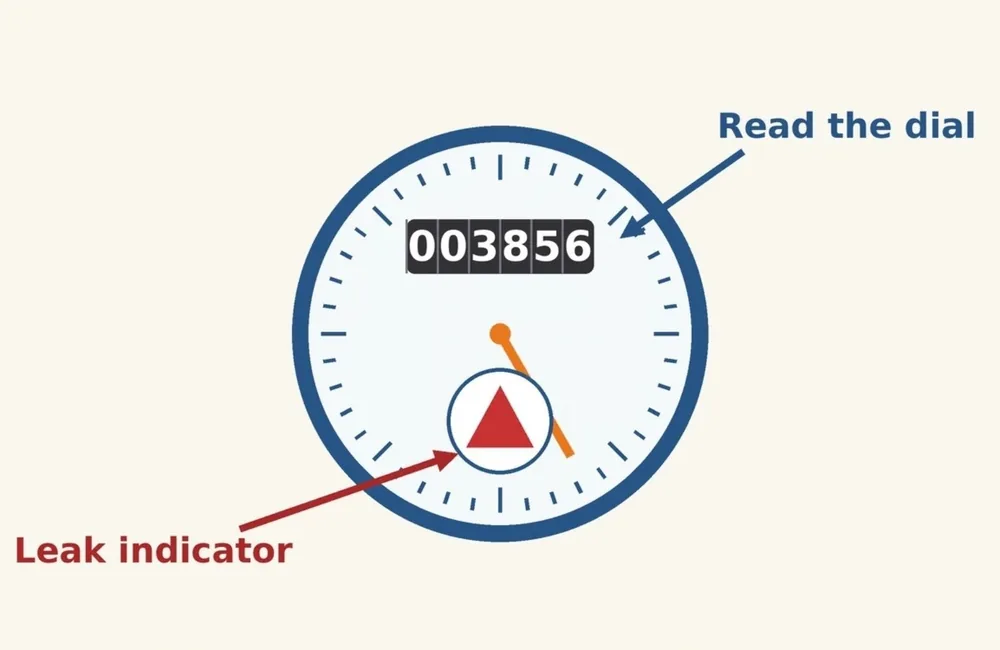
- Open the meter box and find the leak indicator, a small triangle or dial that spins when any water flows.
- If it moves with everything off, water is leaking somewhere between the meter and the house or inside the house.
- Close the main shutoff at the house and check again. If the indicator stops, the leak is inside. If it keeps moving, the leak is on the line between the meter and the house.
- Write down the meter reading, wait an hour with no water use, and read it again. A change confirms it.
Where Leaks Hide And How They Show Up
| Where it hides | What you may notice | How it is usually traced |
|---|---|---|
| Inside a wall | Stained paint, a musty smell, or a soft baseboard. | Thermal scan, then acoustic listening along the wall. |
| Under a concrete slab | Warm spot on the floor or the sound of running water. | Acoustic listening, then a tracer gas or pressure test. |
| Between the meter and the house | Meter turns with the main shutoff closed, or a wet strip in the yard. | Isolation test and line tracing. |
| Beneath a tub or shower | Slow ceiling stain on the floor below. | Pressure test of the supply and a water test of the drain. |
| Irrigation or hose bib lines | Unexplained green patches or low sprinkler pressure. | Zone-by-zone pressure test. |
Meter Moving With Everything Off?
Call and share the reading. It helps the technician plan the first test.
From First Call To Pinpoint
Confirm
A meter or pressure test shows whether water is truly escaping.
Isolate
Valves are closed in sequence to narrow the search to one zone.
Locate
Listening or scanning marks the spot on the surface.
Plan
You see the options and price before any opening is made.
Detection Methods And What Each Finds
Detection uses several tools because no single method works on every pipe and every floor.
| Method | What it does | Best for |
|---|---|---|
| Meter and pressure test | Shows that water is leaving the system and whether the hot or cold side is losing it. | The first step on any suspected leak. |
| Acoustic listening | Microphones pick up the sound of water escaping a pressurized pipe. | Slab and underground supply lines. |
| Thermal imaging | A camera shows temperature differences from hot water leaks and damp materials. | Hot lines in walls, ceilings, and floors. |
| Tracer gas | A safe tracer gas is released into the line and detected at the surface. | Quiet leaks and plastic pipe. |
| Line tracing | A locator follows the path of a buried pipe. | Finding where a service line runs before digging. |
Detect First Or Open The Wall
Opening a wall on a guess costs money and creates a second repair. Pinpointing the leak first usually shrinks both.
Exploratory demolition
- Fast to start.
- Often opens more wall than the leak needs.
- Adds patching and paint to the bill.
- May miss the leak on the first cut.
Detection before repair
- Marks the exact spot.
- Limits the opening to a small patch.
- Gives an insurer a clear source of loss.
- Costs a diagnostic fee before the repair.
What Detection Costs
Insurance note: many policies cover resulting damage from a sudden leak, and some cover the cost of access to reach the pipe. Policies differ, so ask your insurer before approving any wall opening, and keep the detection report.
What A Leak Report Gives You
A good detection visit ends with more than a spot on the floor. You should leave with the location, the likely cause, and a repair path that opens as little of the house as possible.
Keep the findings and photos. If water damage reached walls or floors, written documentation of where the leak was and when it was found helps when you talk to your insurer.
Related Work After A Leak Is Found
If the trail leads under the floor, the repair becomes slab leak repair, which has its own set of options. A break in a pipe that is spraying right now is a different job and belongs with emergency burst pipe repair. When the loss is on the line from the street, water line repair and replacement covers the fix.
We search for leaks in La Habra and across Whittier's six street ZIP codes. Where several leaks appear in the same aging system, repiping may cost less than chasing each one.
Hidden leaks show on the bill before they show on a floor. In the postwar tracts east of College Avenue, including Friendly Hills and Leffingwell Ranch, the meter test comes first. Around Central Park and Hadley-Greenleaf, a leak may hide behind older wall finishes, so the technician traces the line before opening anything. A pit that refills all day can also hide a leak, and sump pump repair covers the pump that serves it.
Leak Detection Questions From Whittier Homeowners
A hidden leak is the most common cause. Run the meter test on this page. If the indicator moves with every fixture off, water is escaping somewhere between the meter and the house or inside it.
Technicians isolate sections of the system, then use listening devices, thermal imaging, pressure tests, or tracer gas to narrow down the spot. Only the final spot is opened.
Often yes. A pressure test can prove a leak exists even when it is silent, and tracer gas can locate a quiet leak that listening alone cannot hear.
Coverage varies by policy. Some pay for detection and access when the leak caused sudden damage, and many do not pay for a slow leak. Ask your insurer before work begins.
Tell the landlord or property manager first, because they usually authorize the work. Share the meter reading and any damage photos.
A simple test can take a short visit and a whole-house search can run longer. The technician gives you a realistic window once the first isolation test is done.
No. Testing is done from the surface, and nothing is opened until the leak is located. Only the small area over the leak is opened for the repair.
Usually yes. A meter test proves the leak exists, listening equipment narrows its location, and a pressure or tracer test confirms the spot before any concrete is cut.