Sump Pump Repair in Whittier, CA
Repair and replacement for sump pumps and sewage ejector pumps, with straight talk about where a pump is really needed in Southern California.
- 24/7 emergency line.
- Repair and replacement.
- Price quoted before work.
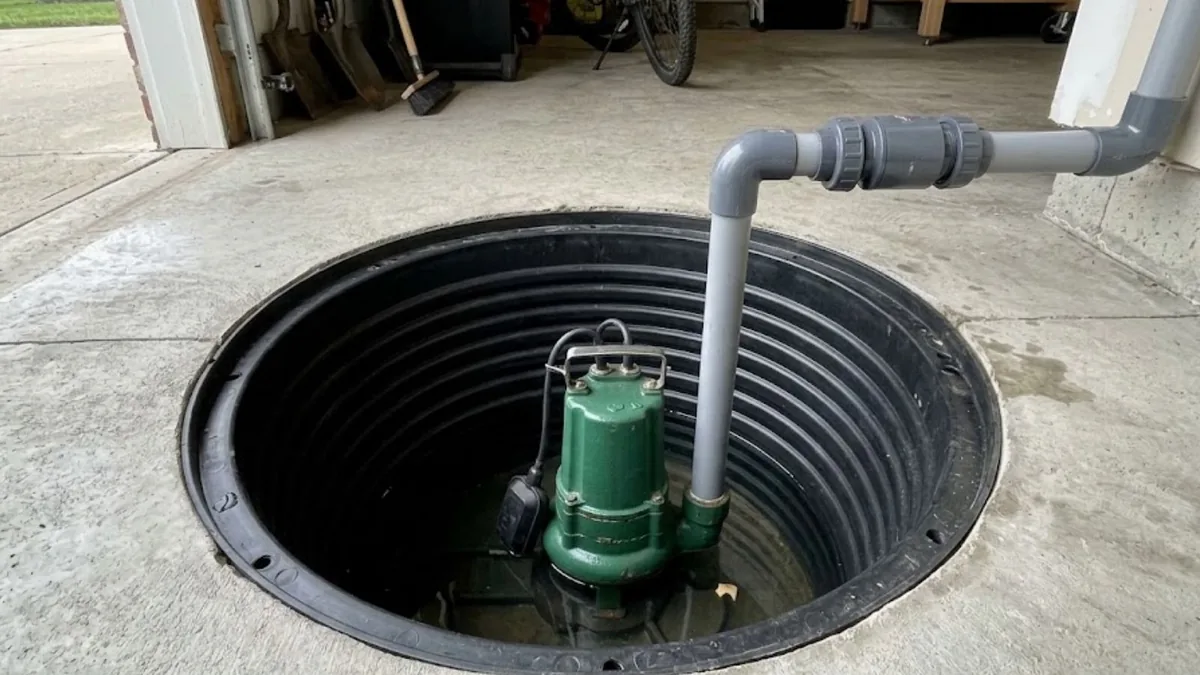
When A Small Pump Is The Only Thing Between You And Standing Water
A sump pump sits in a pit at the lowest point of a space and pushes water out before it can rise onto the floor. When it fails during a storm, the pit overflows and water spreads across a garage, a stairwell, or a basement room within hours. Sump pump repair in Whittier is usually an urgent call for that reason.
Southern California has far fewer sump pumps than wetter regions, because most homes sit on a slab or a raised foundation with no basement. Where a pump does exist, it tends to protect a below-grade garage, a basement, a sunken stairwell, or a lot that collects runoff. Most rain here arrives in a few winter storms, so a pump can sit idle for months and then be asked to run all night.
Signs Your Sump Pump Is Failing
A pump rarely dies without warning. These signs deserve a visit before the next storm.
Running nonstop
A pump that never shuts off may have a stuck float, a failed check valve, or a pit that is receiving more water than the pump can move.
Not starting
If water rises and the pump stays silent, the float, the switch, the outlet, or the motor has failed.
Loud grinding or rattling
Noise often points to a worn motor bearing or debris caught in the intake.
Short cycling
A pump that turns on and off every few seconds usually has a bad check valve or a float set wrong.
A musty or sewage smell
A pit that stays wet or a failing ejector seal can leave an odor in the room.
First Steps If The Pit Is Overflowing Right Now
Stay safe
Do not touch the pump or step into standing water if the outlet or cord is wet. Turn off the breaker first if you can reach the panel dry.
Check the plug
A tripped GFCI outlet or a loose plug is a common reason a pump stops.
Move belongings
Lift boxes, rugs, and electronics off the floor and away from the water.
Call the line
Describe the pit, the pump type, and how fast the water is rising so the right parts come with the technician.
Sump Pump Or Sewage Ejector Pump
The two look similar from a distance, but they move different water and follow different rules. Mixing them up is a costly mistake.
Sump pump
- Moves groundwater and rainwater from a pit.
- Handles clear water, with small solids at most.
- Discharges to a permitted outdoor location.
- Common in basements and below-grade garages.
Sewage ejector pump
- Moves waste from a below-grade bathroom, laundry, or kitchen.
- Built to pass solids.
- Sealed basin with a vent connection.
- Tied into the home's drain and vent system.
Pump Silent Or Running Nonstop?
Call the line and describe what the pit looks like right now.
Pump Types And Where Each Fits
| Pump type | How it works | Best for |
|---|---|---|
| Submersible | Sits inside the pit and runs quietly under the water. | Most homes, and pits that sit under a cover. |
| Pedestal | The motor sits above the pit on a stem. | Narrow pits and easy service access. |
| Battery backup | A second pump runs from a battery when power fails. | Storm outages, when the main pump has no electricity. |
| Sewage ejector | A sealed unit that grinds or passes solids to the main drain. | Below-grade bathrooms and laundry rooms. |
A Five-Minute Pump Test Before Winter Storms
Because a pump may sit idle for months, test it once before the rainy season.
- Check that the pump is plugged into a working GFCI outlet and not an extension cord.
- Clear any dirt, gravel, or debris from the bottom of the pit.
- Pour a bucket of water into the pit and watch the float lift and the pump start.
- Confirm the pump empties the pit and shuts off without short cycling.
- Look at the discharge pipe outside to make sure it is open and sending water away from the foundation.
Where Pumps Show Up Around Whittier
Pico Rivera sits on an alluvial plain between the Rio Hondo and the San Gabriel River, and local histories describe a water table near the surface of the land. Montebello also has the Rio Hondo along its edge. A garage or lower level near a river corridor is more likely to see seepage than one on a ridge.
Hacienda Heights is the opposite case. Its valley floor rises toward the Puente Hills, so runoff moves downhill and collects at the bottom of driveways, stairwells, and retaining walls. West Whittier-Los Nietos sits close to the San Gabriel River and its freeway, and low corners there can hold water in heavy rain. In older parts of Whittier, such as the Uptown area, a sump or ejector pump is more often a retrofit than a feature of the original home.
What Sump Pump Work Costs
Note: homeowner policies often treat sump overflow and water backup as an optional endorsement. Read your policy, and keep written findings and photos if you file a claim.
Related Services And Nearby Areas
A pump that cannot keep up may point to a bigger problem, such as a broken pipe feeding the pit. Burst supply line repair and leak testing find those sources, and a failing water line can be the cause of a pit that never drains. If a sewage ejector backs up, clogged drain service clears the line it feeds.
We repair pumps in Pico Rivera, Hacienda Heights, Montebello, and across Whittier. Pump work follows the California Plumbing Code, which is based on the Uniform Plumbing Code (UPC). Many cities do not allow stormwater in the sanitary sewer, so confirm where the discharge is allowed to go before any install.
Sump Pump Questions
Most do not, because the majority have no basement. Pumps appear in basements, below-grade garages, sunken stairwells, and low lots, and a sewage ejector serves a below-grade bathroom or laundry.
Many last roughly seven to ten years, and a pump that runs often wears out sooner. A pump over that age is worth replacing before a storm season.
A clogged intake, a failed check valve, or a blocked discharge line is the usual cause. A technician checks all three.
If the pit protects finished space, a backup is a smart addition. Storms often bring power outages at the same time as heavy rain.
No. A sump pump moves groundwater and rain, and a sewage ejector moves waste from fixtures below the main drain.
Often not for stormwater. Many cities forbid it, so confirm the allowed discharge point before installing.