Slab Leak Detection & Repair in Whittier, CA
Pipe leaks beneath the concrete floor located by sound, pressure, and tracer methods, with repair options explained before any floor is cut.
- Pinpoints leaks under concrete.
- Repair options explained.
- Price quoted before work.
Warm Floor Or Water Under The Floorboards?
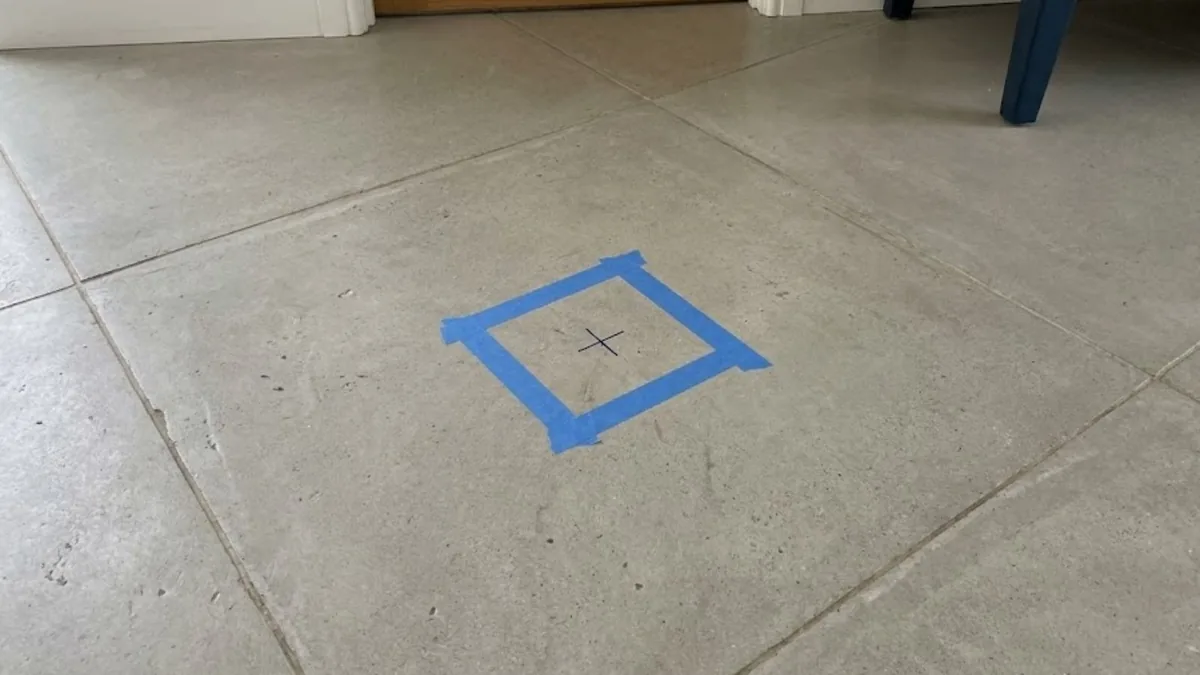
A floor that feels warm in one spot, a hot water bill that jumps, or water seeping up through carpet or baseboards often means a supply line is leaking beneath the concrete slab. Slab leak detection in Whittier finds the exact point so the repair stays small.
Signs Of A Slab Leak
Warm spot on the floor
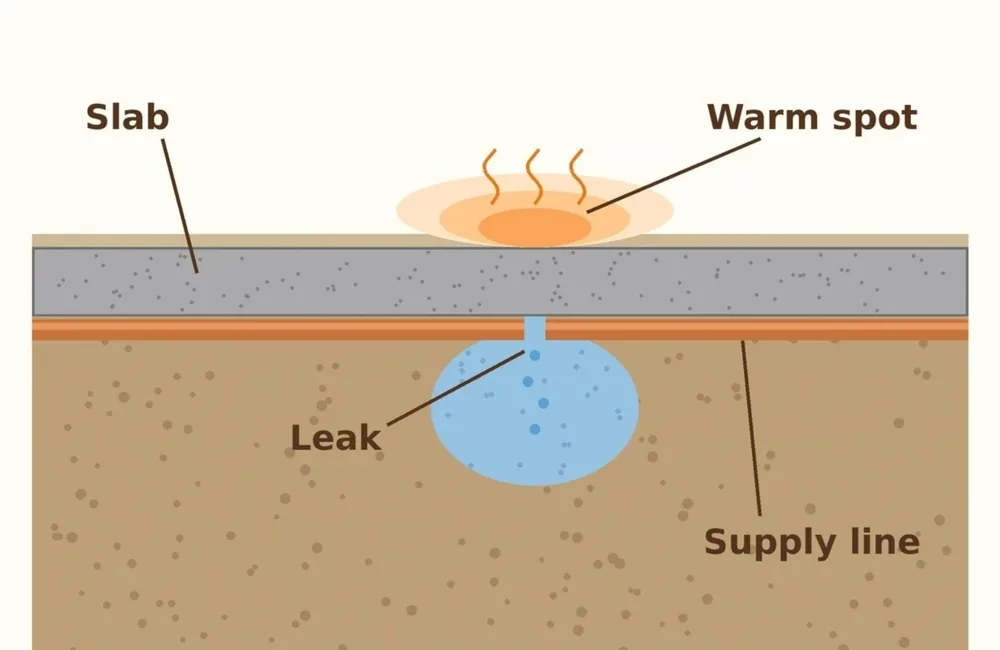
A hot water line leaking under the slab can warm the concrete above it, often noticed barefoot.
Sound of running water
A faint hiss or trickle when every fixture is off suggests pressurized water escaping somewhere.
Damp carpet or lifted flooring
Moisture moving up through the slab can stain baseboards and curl laminate or wood.
Spinning meter
If the leak indicator moves with all water off and the main shutoff leads to the same result, the leak may sit beneath the floor.
How A Slab Leak Is Found
The work begins above ground. A technician runs a meter and pressure test to prove a leak exists, and testing follows the California Plumbing Code, which is based on the Uniform Plumbing Code (UPC).
Valves are then closed one at a time to learn which line is losing water. Hot and cold lines are tested separately, since a warm spot usually points to the hot side.
Listening equipment follows. Sensitive microphones pick up the sound of water escaping and mark the loudest point on the floor. When the sound is faint or confusing, a tracer gas test or a line-by-line pressure check confirms the location before anything is cut.
In many Southern California homes of that era, copper supply lines run in or under the slab. Copper can develop pinholes from corrosion or from rubbing against concrete over decades. Whittier has both slab and raised-foundation homes, so the first question on the phone is which one yours is.
Repair Paths Compared
| Option | What happens | Usually fits when |
|---|---|---|
| Spot repair | The slab is opened over the leak and the pipe is fixed. | One leak sits in an accessible location with sound pipe nearby. |
| Reroute | The failing line is abandoned and new pipe runs overhead through walls or attic. | The line has leaked repeatedly or sits under hard-to-reach areas. |
| Pipe lining or coating | A liner or epoxy coats the inside of an existing line. | Pipe is accessible at both ends and is otherwise in sound shape. |
| Repipe | The whole supply system is replaced. | Several leaks show the entire system is aging. |
Hearing Water With Everything Off?
Call now. Shutting off the main buys time while you wait.
What Insurance Tends To Cover
Policies vary, and slab leaks are a place where wording matters. Many cover damage caused by a sudden leak, and some cover the cost of reaching the pipe, which can be the largest part of the bill. Most do not cover the pipe itself or a slow leak that went unaddressed.
Photograph the damage, keep any detection report, and call your insurer before approving floor demolition. Written proof of where the leak was found helps a claim.
What The Visit Looks Like
Confirm
Meter and pressure tests prove the leak exists.
Pinpoint
Hot, cold, and drain lines are isolated and the spot is marked.
Choose
You hear each repair option, with its trade-offs and price.
Repair
The chosen fix is made, tested, and the floor is restored or covered.
What A Slab Leak Repair Costs
Cost note: restoring finished floors after a repair is usually its own line item, and is not always part of the plumbing quote. Ask what the quote includes.
Related Work And Nearby Areas
Before a slab is opened, general electronic leak tracing can confirm the leak is not in an easier place, such as a wall or the line from the meter. If detection shows pipe failing in several places, whole-home repiping is worth pricing alongside the spot repair.
Homes on the slopes of the Puente Hills, including parts of Hacienda Heights, can have different foundation conditions from flat Whittier lots, so the technician asks about foundation type up front.
Slab leaks belong largely to the mid-century tracts. Friendly Hills, Murphy Ranch, and Leffingwell Ranch were developed in the 1950s and 1960s, so the supply lines under those floors are now more than half a century old. A warm spot on the floor or a meter that moves with everything off is the cue to call, whether the house is in Friendly Hills or in nearby Pico Rivera.
Slab Leak Questions From Whittier Homeowners
A warm patch on the floor, the sound of running water with everything off, or moisture rising through flooring. Any of these deserves a meter test.
If water is entering the home or the meter is spinning fast, close the main shutoff and wait. If the leak is slow, limit use and call soon, because water under a slab can erode soil and raise the bill.
Only for a spot repair. A reroute runs the new line through walls or attic, and the slab stays intact. The technician explains which fits your leak before work begins.
It can be. Active water in the house is an emergency. A slow leak is urgent but not always an overnight job. Call and describe what you see.
A warm floor spot and a rising gas or electric bill point to the hot line. A rising water bill with a cool floor points to the cold line. The technician confirms it with isolation tests.
No. Whittier has slab and raised-foundation homes, built in different periods. Tell the dispatcher which you have, since the search method differs.