Water Heater Installation & Replacement in Whittier, CA
Tank and tankless replacements planned around your household, your fuel type, and California's bracing and permit rules.
- Free estimates on planned replacements.
- Seismic strapping to code.
- Removal confirmed on your quote.
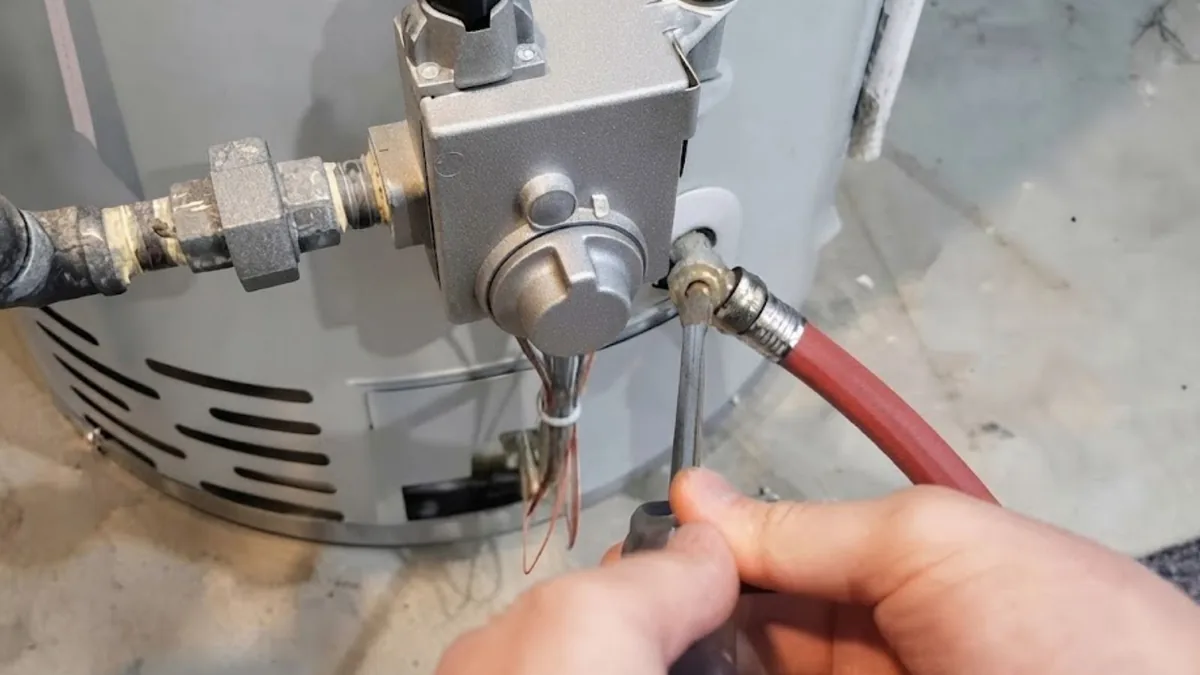
Planning A Water Heater Replacement In Whittier
A water heater installation and replacement in Whittier starts with the failing unit and ends with a new one that is strapped, vented, and tested. Tank models often last about 8 to 12 years, so a heater installed in the early 2010s is already in the window where leaks begin.
Most replacements are planned, but plenty are not. A tank that weeps at the base cannot be patched, and a cold shower on a workday morning makes the decision for you. Free estimates apply to planned work, and emergency jobs are priced before anything starts.
Many Whittier homes were built in the 1950s with the heater in a garage corner or a hall closet. Those spots shape what fits, how it vents, and what the inspector will look at, so the visit begins with measuring the space and checking the gas or electrical supply.
Tank Or Tankless For A Whittier Home
Both work well. The right one depends on your hot water habits, your gas line, and how much you want to spend now versus later.
Traditional tank
- Lower purchase and install cost.
- Simpler swap in the same footprint.
- Stored supply can run out during back-to-back showers.
- Often 8 to 12 years of service.
Tankless
- Hot water on demand with no stored tank to run out.
- Wall-mounted and compact.
- Often needs a larger gas line and new venting.
- Often 15 to 20 years with regular flushing.
Strapping, Permits, And Code Details
California treats a water heater as an earthquake hazard, and Whittier has the history to explain why. The magnitude 5.9 Whittier Narrows earthquake of October 1, 1987 damaged homes across the area.
A proper replacement includes the details inspectors check, which come from the California Plumbing Code and its base, the Uniform Plumbing Code (UPC). Ask that each item below appears on your quote.
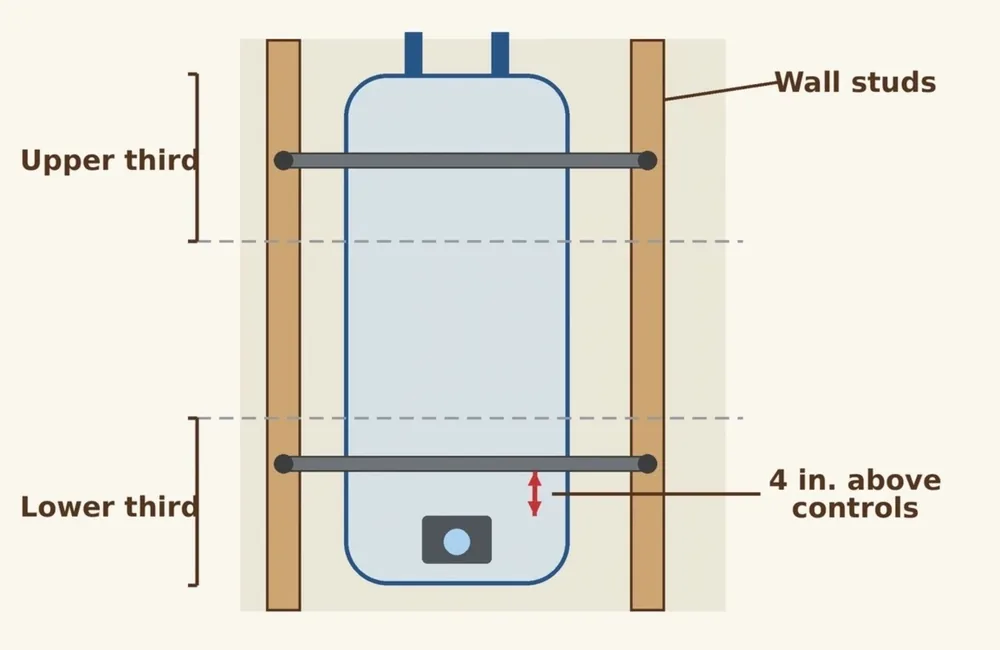
- Seismic bracing. State law requires tank heaters to be braced, anchored, or strapped, and the plumbing code expects straps in the upper and lower thirds of the tank.
- A permit. California building codes generally require a permit for a water heater replacement, and your city's building department closes it out with an inspection.
- A temperature and pressure relief valve with a proper discharge pipe, so a pressure event is directed somewhere safe.
- An expansion tank where the home has a pressure-reducing valve or backflow device, since heated water needs somewhere to expand.
- Venting and combustion air for gas models. A garage location can carry extra code requirements, and the technician confirms them before the swap.
Cold Showers This Morning?
Call now and ask what can be done for your unit.
What A Replacement Visit Involves
Assess
Measure the space, read the data plate, and check gas, venting, and shutoffs.
Quote
You hear the price and the options before the old unit is touched.
Swap
The old tank is drained and removed and the new one is connected.
Test
Straps, venting, relief valve, and leaks are checked before we leave.
Sizing A Replacement Heater
Tank size is only half the story. The first hour rating on the unit's EnergyGuide label says how much hot water it delivers in a busy hour, and that number matters more than gallons alone.
| Household | Typical starting point | What changes it |
|---|---|---|
| One or two people | 30 to 40 gallons. | A large soaking tub or back-to-back showers. |
| Three people | 40 to 50 gallons. | Teenagers, a dishwasher on a timer, or laundry on the same morning. |
| Four people | 50 gallons or a tankless unit sized for several fixtures. | How many showers run at once. |
| Five or more people | 60 gallons or larger, or a high-capacity tankless unit. | A second water heater for a distant bathroom. |
Venting, Combustion Air, And Clearances
A gas water heater needs a proper vent and enough air to burn fuel safely. The installer checks the vent path, the flue connections, and the clearances around the unit, because a vent problem can put exhaust gases into the home.
Garages and closets add their own rules, so the location of the heater decides some of the work. Local building rules apply, and the permit inspection looks at these details.
Signs Replacement Beats Another Repair
Moisture at the base
Water under the tank usually means the inner shell has failed, and no part fixes that.
Rust-colored hot water
Orange or brown water only from hot taps points to corrosion inside the tank.
Age past ten years
Repairs on an older tank buy a little time and rarely change the end date.
Repeat service calls
Two or three repairs in a short span usually cost more than a new unit would have.
Expansion Tanks And Closed Systems
Many homes have a check valve or pressure regulator on the supply line that keeps heated water from expanding back into the street main. In that closed system, heating water raises the pressure, and a thermal expansion tank gives it somewhere to go.
Without one, the relief valve may drip and fixtures can wear out early. The installer checks your pressure and tells you if an expansion tank belongs on the job.
What Replacement Costs
Rebate note: utility and state incentives for efficient or heat pump water heaters change often. Ask about current programs before you buy, because some require the equipment to be approved ahead of time.
Related Work Often Done With A Replacement
If the unit is only a few years old and just misbehaving, repairing the existing heater may be the smarter spend. Homeowners weighing an upgrade should also read about tankless service and what upkeep it needs.
A new gas heater sometimes exposes an undersized or aging supply line, which is a job for gas line installation and repair. Hard water is another factor, and a water softener protects the new unit's heating surfaces. We handle replacements in nearby Hacienda Heights and across Whittier's six street ZIP codes.
Replacement work covers the whole map, from a garage heater in Friendly Hills to a closet unit in South Whittier. South Whittier is an unincorporated community of about 56,000 people, so permits there can come from the county and not the city. The technician confirms which office applies, and every new tank is braced to code in a region that felt the 1987 Whittier Narrows earthquake.
Replacement Questions From Whittier Homeowners
Yes. California Health and Safety Code 19211 covers new, replacement, and existing residential tank heaters. The sale of a home also requires the seller to certify that the heater is secured.
Generally yes in California. The permit and inspection protect you if the work is ever questioned, for example during a home sale or an insurance claim.
Usually, but the gas line size, venting, and wall space decide the cost. A site visit answers it. Our tankless page covers what to expect.
The technician drains it, disconnects it, and takes it away as part of the job. Confirm removal appears on your quote.
A like-for-like tank swap commonly takes a few hours. A tankless conversion or a job that needs new venting or gas piping takes longer, and the technician gives you a realistic window on site.
It can be. Heat pump models need space, airflow, and a suitable electrical circuit, and rebates change over time. Ask about current programs when you call.
Often yes, but tank height, vent size, and clearances vary by model. The technician measures the space and checks combustion air before choosing a unit, so ask for those checks when you book.
Not always. The installer checks the existing gas connection, flexible connector, and vent, and replaces any part that does not meet current code.