Emergency Drain Cleaning in Whittier, CA
Slow tubs, backed-up kitchen lines, and main line stoppages cleared day or night, with the price quoted before work begins.
- 24/7 emergency line.
- Price quoted before work.
- Cable, jetting, and camera options.
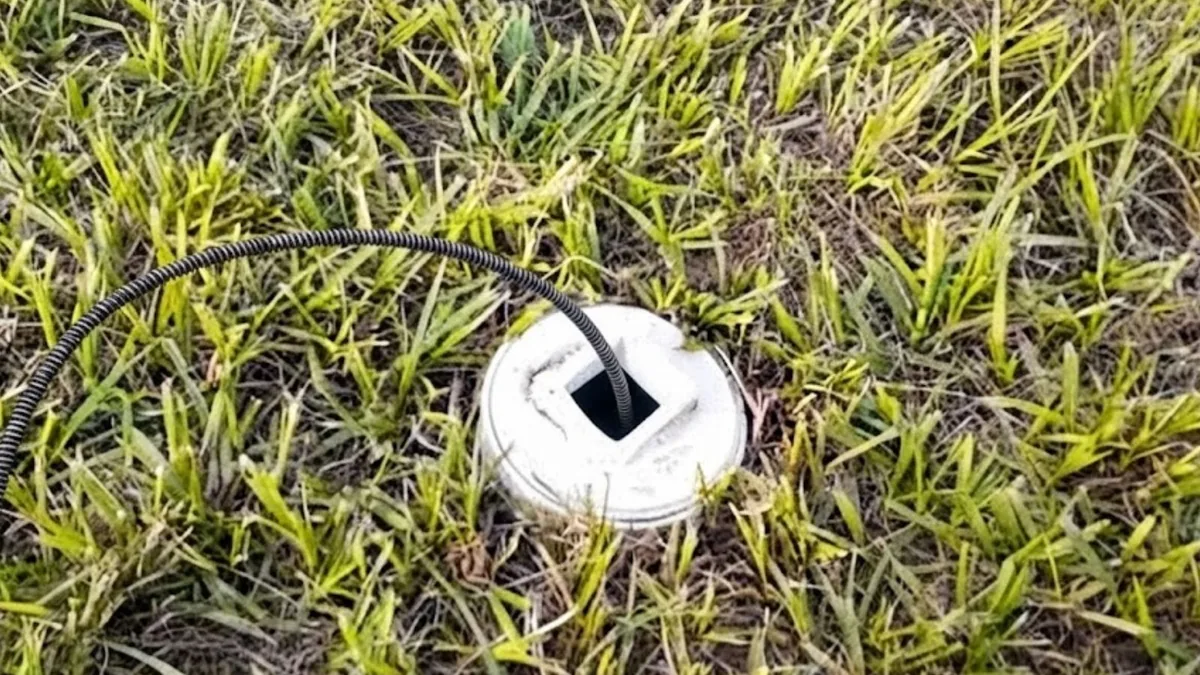
Clogged Drain Help In Whittier, Any Hour
Drain cleaning in Whittier clears whatever keeps a sink, tub, toilet, or sewer line from draining. Technicians use cable machines, hydro jetting, and a camera when the cause is not obvious. If a drain backs up at night, the emergency line is answered 24/7 and the price is quoted before work starts.
Where the clog sits decides everything. One slow sink points to a short branch line. Two or more fixtures that gurgle or back up together point to the main line, the pipe that carries everything from the house toward the street.
Whittier's housing adds a wrinkle. Census-based counts put roughly 10,900 of the city's 29,900 housing units in the 1950s, and sewer laterals from that era were often clay or cast iron. Roots work into clay joints and cast iron narrows with age, so a stubborn clog in an older home is frequently a pipe problem and not just a hair or grease problem.
Signs The Blockage Is In The Main Line
Several fixtures at once
A tub that gurgles when the washer drains, or a toilet that bubbles when you run the kitchen sink, means the shared line is restricted.
Water in the lowest drain
Sewage or gray water rising in a ground-level shower, tub, or floor drain is the classic main line backup.
Clogs that keep returning
A drain that clears for a few weeks and then slows again usually has a cause a quick cable pass did not remove, such as roots or a sagging section of pipe.
Odor with slow drains
A sewer smell near the cleanout outside or around floor drains inside can signal a partial blockage before a full backup.
Match The Problem To The Method
| Where it clogs | Typical cause | Usual method |
|---|---|---|
| Single sink or tub | Hair, soap scum, or grease. | Cable with a small cutting head. |
| Kitchen sink line | Grease and food solids, often just past the disposal. | Cable, then hydro jetting if grease coats the pipe. |
| Toilet that will not clear | A foreign object, excess paper, or a problem farther down the line. | Closet auger first, cable if other drains are slow too. |
| Main sewer line | Roots, grease buildup, or an offset or collapsed pipe. | Cable, hydro jetting, and a camera inspection. |
| Floor drain or laundry standpipe | Lint, debris, or an undersized trap arm. | Cable and a flush test. |
Why Drains In 1950s Homes Clog Again
Drain lines in many 1950s Whittier homes are cast iron, galvanized steel, or clay. Cast iron and galvanized pipe roughen from the inside as they age, and that rough surface catches grease, hair, and soap scale far faster than smooth modern plastic.
Clay laterals add a second problem, because roots enter at the joints looking for moisture. A line that clogs again within a few months after a basic cleaning is usually telling you the pipe itself has changed, and a camera inspection shows how.
Drain Backing Up Right Now?
Stop running water and call. The emergency line is answered 24/7.
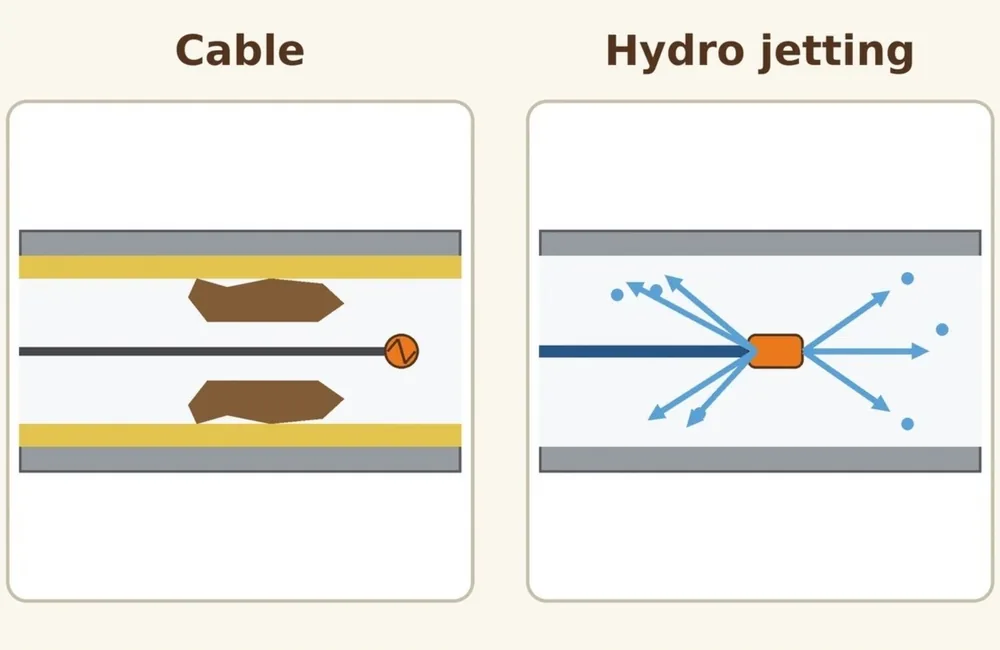
Cable Machine Or Hydro Jetting
Most single-fixture stoppages need a cable and nothing more. When a cable keeps returning to the same spot, the method matters. Our page on hydro jetting explains when high-pressure water is worth the extra step.
Cable machine
- Fastest fix for one clogged fixture.
- Breaks through hair, paper, and soft blockages.
- Usually the lower-cost first move.
- Can leave a grease film on the pipe wall.
Hydro jetting
- Scours grease and scale off the pipe wall.
- Cuts fine root growth back to the pipe.
- Suits main lines that clog again and again.
- Pairs with a camera look before and after.
What To Do Before The Plumber Arrives
A few minutes of preparation protects your home and speeds up the repair.
- Stop using water in the house. Every flush or load of laundry pushes more volume into a blocked line.
- Skip chemical drain openers. They can sit in a stopped pipe, harm old metal and plastic, and burn the technician who opens the trap.
- Find the cleanout, usually a capped pipe outside near the house, and clear the area around it. The California Plumbing Code, which is based on the Uniform Plumbing Code (UPC), expects cleanouts to stay accessible.
- If sewage is coming up, keep children and pets out of the room and photograph the damage for your insurer.
- Tell the dispatcher which fixtures are affected. That single detail often tells the technician where the blockage sits.
How A Camera Inspection Works
When a clog keeps coming back, a camera replaces guessing with a picture of the pipe.
Access
The camera enters through a cleanout, a removed toilet, or a roof vent.
Record
The technician runs the line while video is recorded and distance is measured.
Locate
Any root mass, crack, or offset is marked by its distance from the access point.
Report
You see the footage and hear the options before any repair is priced.
What Drain Cleaning Costs In Whittier
Insurance note: homeowners policies usually treat a gradual clog as maintenance. Sewer backup damage is often covered only through an added endorsement, so read your policy before you file.
When A Clog Points To A Bigger Repair
Sometimes the camera shows the real story. A cracked or root-filled lateral moves the job into sewer lateral repair, and a kitchen line that clogs just past the disposal may involve garbage disposal repair as well.
The pattern repeats across the region. In nearby La Mirada, a planned community that grew from about 100 homes to more than 8,000 by 1960, many laterals are the same age as Whittier's and fail in the same ways.
Calls come from every part of Whittier, but the older blocks tell the clearest story. Many homes around Uptown Whittier and College Hills are from the early 1900s, so a drain that keeps clogging there may have old iron or clay beneath it. In the 1950s and 1960s tracts east of College Avenue, such as Friendly Hills and Murphy Ranch, repeat slow drains more often point to roots at lateral joints.
Drain Cleaning Questions
The emergency line is answered 24/7. We do not promise a fixed arrival window because distance and traffic change it, so ask for the arrival estimate when you call.
No. Chemical openers can stay in a blocked pipe, damage older fittings, and splash the technician. Plain water and patience are safer until help arrives.
In most California cities the owner maintains the lateral from the house to the main in the street, and the city or sanitation district maintains the main itself. A camera inspection shows which side the blockage sits on. If it is in the public main, your city's public works department handles it.
Repeat clogs usually mean the cause was never removed. Common reasons are roots in a clay joint, a sagging section that holds water, or grease coating the pipe wall. A camera inspection finds the real cause.
Yes. For tenants, the landlord or property manager usually authorizes the work, so notify them before the visit.
A small camera on a flexible cable shows the pipe material, cracks, offsets, and roots, plus the distance from the cleanout to the problem. That tells you if the job is a cleaning or a repair.
Chemical cleaners can sit in a blocked line and attack older metal pipes and fittings. They rarely clear grease or roots, and they are a hazard to a technician who later opens the line. A cable or jetter is the safer first step.
Yes. Roots follow moisture to pipe joints, and clay and older cast iron joints are common entry points. A camera shows root growth, and cutting or jetting clears it, but the joint still needs repair if the roots keep returning.