The Short Answer
The four most reliable signs are a water meter that moves with everything off, a warm patch on the floor, the sound of running water in a quiet house, and damp carpet or baseboards with no visible source. Any one deserves a meter test, and two or more together make a slab leak likely.
A slab leak is a break in a water supply line that runs in or under the concrete floor. It is not a crack in the concrete itself, though water can travel along cracks and surface far from the source.
The Warning Signs
A spinning meter
With every fixture off, a moving indicator on the water meter means water is escaping somewhere.
A warm spot on the floor
A leaking hot water line can warm the concrete above it. Walk barefoot across tile or concrete and note any patch that stays warm.
Running water sounds
A faint hiss or trickle when the house is silent suggests pressurized water escaping beneath the floor.
Moisture with no source
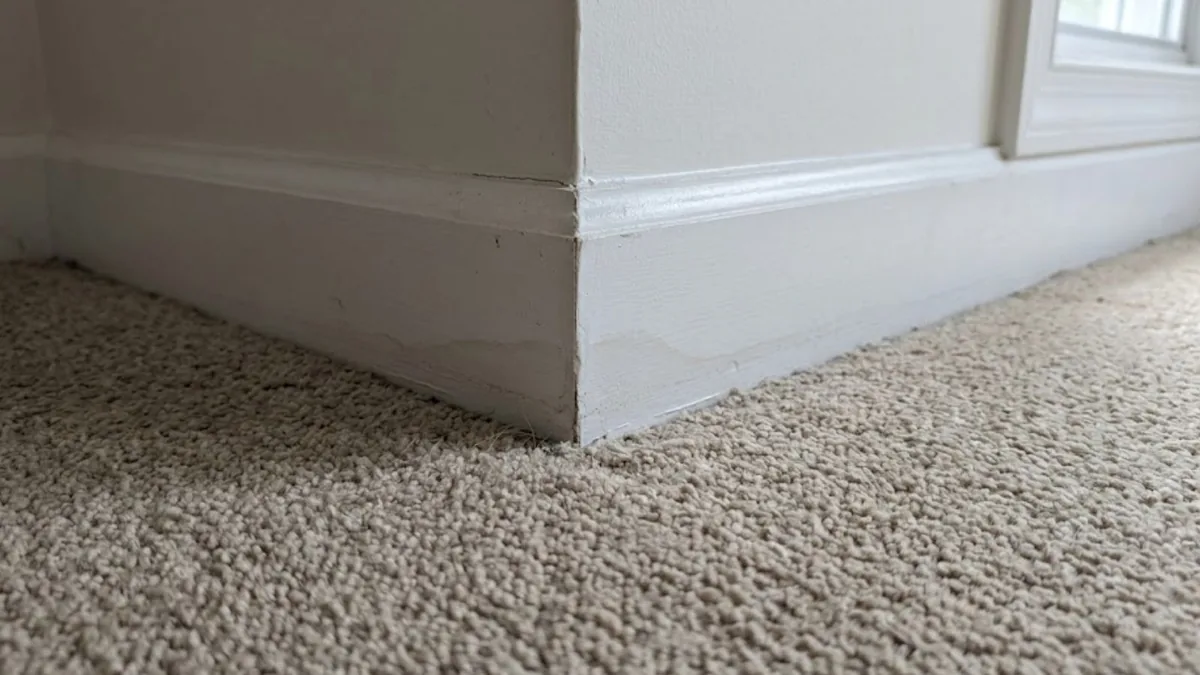
Damp carpet edges, lifting laminate, musty smells, or stained baseboards without a plumbing fixture nearby.
A jump in the water or gas bill
A hidden hot water leak makes the heater run more often, so energy use climbs along with water use.
Lookalikes That Fool People
Not every warm floor is a leak. Some older homes have heating ducts running in or under the slab, and those can warm the floor above them when the furnace runs. A sunny window can also warm a patch of tile for hours.
The clue is timing. Heat from ducts tracks the furnace schedule and fades when it shuts off. Heat from a hot water leak stays warm all day and is warmest right after hot water has been used. Moisture on a slab can also come from groundwater or a plumbing drain leak, which is why a meter test comes first.
What To Do In The First Hour
Acting quickly keeps repair costs down and protects floors and walls.
- Do the meter test: turn off all water, note the reading, and watch the leak indicator.
- Close the main shutoff at the house and check the meter again. If the indicator stops, the leak is on your side of the main.
- Mark any warm or damp spots with painter's tape, and photograph them.
- Check the water heater, the toilets, and the sink supply lines to rule out easier explanations.
- Call for leak detection. Do not break concrete yourself, because pipes, gas lines, and electrical conduit may sit nearby.
Hearing Water With Everything Off?
Close the main, then call. We can start with a meter test and a plan.
Why Pipes Under Slabs Fail
Slab leaks usually come from long-term wear. Copper lines under concrete can develop pinholes from corrosion or from rubbing against rock and rebar as the pipe expands and contracts. Water chemistry and high pressure speed the process, and soil movement can stress joints.
Many Southern California homes from the 1950s have copper supply lines in or under the slab. After seven decades, the pipes in some of those homes are simply old. Whittier has both slab and raised-foundation houses, so the first question when you call is which one you have.
Slab Versus Raised Foundation
| Foundation | How leaks tend to show | Easiest way to confirm |
|---|---|---|
| Concrete slab | Warm floors, damp flooring, a spinning meter. | Meter test, then acoustic and pressure testing. |
| Raised foundation with crawlspace | Damp soil, mold smell, or sagging insulation under the floor. | Look in the crawlspace and check the meter. |
| Mixed or additions | Different symptoms in different rooms. | Isolate zones and test each one. |
Where To Go From Here
If the test and the signs point under the floor, our page on slab leak detection and repair explains how leaks are located and fixed, including reroutes that avoid breaking the slab. For leaks that could be elsewhere, hidden leak detection narrows the search. If several leaks have appeared, pricing home repipe service may beat repairing each one.
Neighbors in Pico Rivera, where tract homes were built on former farmland after World War II, run into the same problem for the same reason: the pipes are old, and the ground is damp.
What Repair Looks Like Once It Is Confirmed
A confirmed slab leak usually leads to one of three paths. A spot repair opens the slab over the leak and fixes the pipe, a reroute abandons the leaking line and runs new pipe overhead through walls or the attic, and a repipe replaces the supply system.
The right path depends on the pipe's condition, where it runs, and how many leaks have already appeared.
Repairs and new pipe should follow the California Plumbing Code, which is based on the Uniform Plumbing Code (UPC). Ask the technician to show you the pressure test or listening results before approving anything, and ask what happens to the flooring over the repair. Restoring tile, wood, or carpet is often a separate line item from the plumbing.
How Detection Confirms A Slab Leak
If your own checks point to a leak under the floor, a technician usually confirms it in a set order. Each step rules out part of the house before anything is opened.
Meter test
Proves water is moving when it should not be.
Zone isolation
Hot and cold lines are closed off in turn to learn which one is losing water.
Listening
Sensitive microphones mark the loudest point on the floor.
Confirmation
A pressure test or tracer gas check proves the exact spot before any concrete is cut.
Slab Leak Questions
Start with the meter test. A moving indicator with all water off, plus a warm floor spot, running water sounds, or moisture without a source, point strongly to a slab leak.
No. Leaks grow, and a small pinhole can become a larger failure over time. Water can also undermine soil under the slab.
No. Heating ducts in the slab or sunlight can warm a floor. A hot water leak stays warm and is warmest after hot water use.
If water is entering the house or the meter spins fast, close the main and call right away. A slow leak is urgent but not always an overnight job.
Policies differ. Many cover resulting damage from a sudden leak and some cover access costs, but most do not cover the pipe or a slow leak. Ask before work begins.
Usually not. A spot repair or reroute is done with water shut off for a limited time. Ask the technician how long.