Emergency Water Heater Repair in Whittier, CA
Gas and electric tank heaters diagnosed at any hour, with an honest answer on whether repair or replacement is the better spend.
- 24/7 emergency line.
- Gas and electric tanks.
- Price quoted before work.
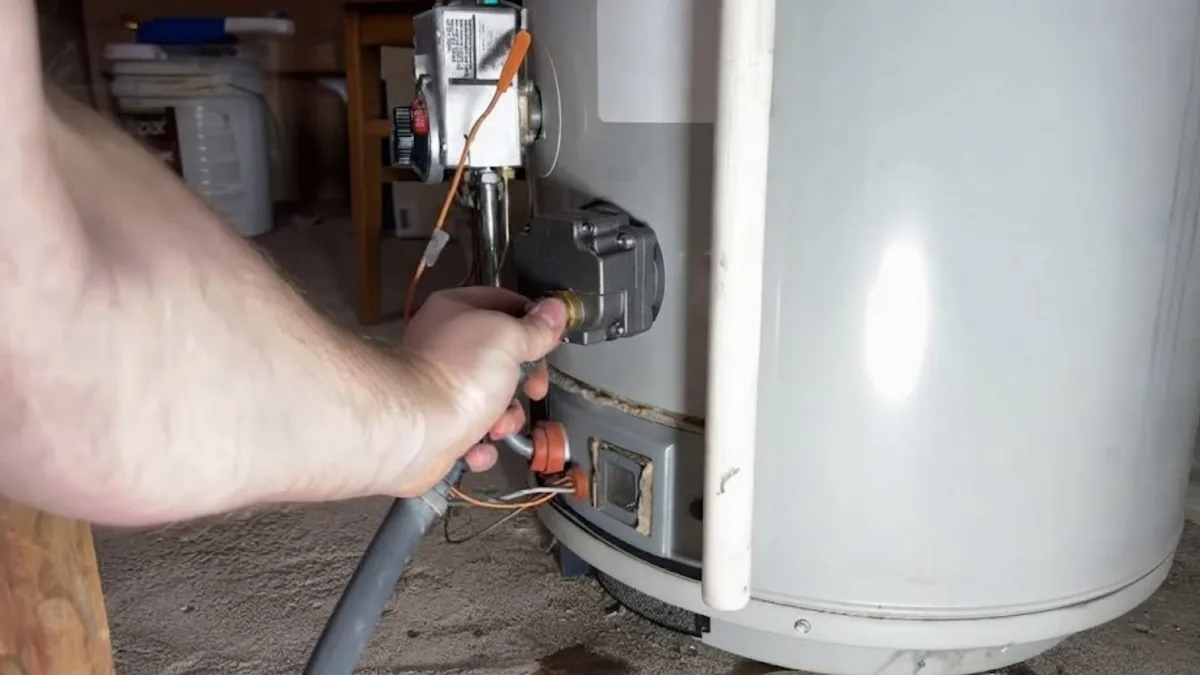
No Hot Water In Whittier? Start Here
Emergency water heater repair in Whittier covers the failures that cannot wait until morning: no hot water, a tank leaking onto the floor, or a unit that trips its breaker or shuts off its burner. The emergency line is answered 24/7, and the price is quoted before the repair begins.
Most tank heaters fail in a handful of predictable ways. Gas models lose their pilot or flame sensor, electric models lose a heating element or thermostat, and every tank eventually corrodes from the inside. Knowing which family of failure you have is the first step toward a fast fix.
Many Whittier heaters sit in garages and utility closets in homes built in the 1950s, so access and venting are part of the job. The technician checks those while the panel is open.
Warning Signs Before A Tank Fails
A tank usually gives notice before it quits. These signs mean it is worth a visit.
Rumbling or popping
Sediment on the tank bottom traps water that boils and bubbles up as noise.
Rust-colored hot water
Rust only in the hot water can mean the tank interior is corroding.
Moisture at the base
Water around the tank may be a fitting leak or a failing tank, and a technician can tell which.
Hot water that runs out fast
A broken dip tube or a failed element can shrink the supply of hot water.
Gas Versus Electric: What Usually Fails
| What you notice | Gas heater | Electric heater |
|---|---|---|
| No hot water at all | Pilot or flame sensor problem, or the gas control valve. | Tripped breaker, tripped high-limit reset, or a failed element. |
| Only lukewarm water | Burner running poorly or a heavy sediment layer. | Lower element failed, so only the top of the tank heats. |
| Popping or rumbling | Sediment hardened at the tank bottom. | Scale crusted onto the elements. |
| Water at the base | Leaking fitting or a failed tank shell. | Leaking fitting or a failed tank shell. |
| Rust-colored hot water | Corroding tank interior or a spent anode rod. | Corroding tank interior or a spent anode rod. |
Safety Steps While You Wait
Two minutes of caution prevents the worst outcomes with a failing heater.
- Smell gas or hear hissing near a gas heater? Leave the house, do not touch switches, and call your gas utility or 911 from outside.
- If the tank is leaking, shut off the cold water supply valve on top of the heater. Turn off the gas control or the electric breaker so the unit does not run dry.
- Do not open the pressure relief valve to test it while the tank is hot. Steam and scalding water can discharge with force, and the discharge pipe rules come from the California Plumbing Code, which is based on the Uniform Plumbing Code (UPC).
- Photograph the unit, the data plate, and any water damage before you clean up.
- Keep the thermostat at 120 degrees Fahrenheit or lower after the repair to reduce scald risk, especially around children and older adults.
Standing In A Cold Shower?
Call and describe the symptom. A technician can tell you what is likely wrong.
Repair It Or Replace It
A good technician tells you when not to repair. The age of the tank and the type of failure usually settle the question.
Repair makes sense when
- The tank is under about ten years old.
- The fault is a thermostat, element, valve, or sensor.
- There is no moisture under the tank.
- Water quality has been reasonable.
Replacement makes sense when
- The tank itself is leaking.
- The unit is past ten years and has needed repeat repairs.
- Rust shows in the hot water only.
- Repair cost approaches a new unit's price.
Parts That Fail Most Often
Most repairs involve one of a handful of parts, and knowing which helps you describe the problem on the phone.
| Part | What it does | Typical sign it failed |
|---|---|---|
| Thermostat | Controls the water temperature. | Water too hot or never warm. |
| Heating element (electric) | Heats the water in an electric tank. | Lukewarm water or a short supply. |
| Gas control valve and thermocouple | Control the burner and sense the pilot flame. | The pilot will not stay lit. |
| Anode rod | Draws corrosion away from the tank steel. | Rust or odor in the hot water. |
| Temperature and pressure relief valve | Opens to release excess pressure or heat. | Dripping or steady discharge from the valve pipe. |
Sediment, Hard Water, And Noisy Tanks
Whittier's water comes from several providers, including City of Whittier Water, which draws from wells in the Whittier Narrows area. Groundwater carries dissolved minerals, and those minerals settle as scale in a heated tank.
Your provider's annual water quality report lists hardness, and it is worth reading before the next service. Heavy scale makes a heater work harder and louder, and a flush or a water softener can slow it down.
What Affects A Water Heater Repair Bill
Insurance note: a water heater that fails suddenly and floods a room may fall under sudden water damage coverage. The heater itself, and slow leaks, usually do not. Photograph everything first.
After The Repair: What Else To Check
A heater that fails once often has company. If the water around the base keeps returning, a hidden supply leak may be involved, and hidden leak detection can find it without opening walls. If the tank is too far gone, our guide to water heater installation explains your options.
We also serve Santa Fe Springs, where the local water utility reports a mix of groundwater and imported supply, so scale behaves a little differently from one street to the next. While a technician is at your heater, ask for a quick look at the straps. California law expects them.
Reports of failing tanks arrive from Whittwood to Los Nietos. Whittier sits at about 367 feet of elevation, and homes on the northern slopes near Starlite Estates see different pressure than homes on the flat. A relief valve that keeps dripping on a hillside lot can mean high supply pressure and not a bad tank, so the technician checks both.
Water Heater Repair Questions
On a gas heater the usual causes are a pilot or flame sensor fault. On an electric heater the usual causes are a tripped breaker or a failed element or thermostat. A technician can tell which by a few quick tests.
It is common in older tanks. The sound comes from steam bubbles escaping through a layer of hardened sediment at the bottom. Flushing helps in some cases, but it is also a sign the tank is aging.
If the leak comes from a fitting, a valve, or a drain, yes. If water seeps from the tank body itself, the inner shell has failed and replacement is the only lasting fix.
Yes. Close the cold supply valve above the heater and turn off the gas control or the breaker. Then call, so the tank does not run dry while it leaks.
Many repairs take under an hour once the part is on the truck. If a part must be ordered, the technician tells you before leaving, and you can decide whether to wait or replace.
Yes, and tankless units have their own page. If your heater has a display and no storage tank, see our tankless water heater service page.
Sediment collects on the bottom of the tank and traps water that boils beneath it. Flushing can reduce the noise, and a tank with heavy buildup may be near the end of its life.
A leak from the tank body usually means the tank has failed. Close the cold supply valve, switch off power or gas to the heater, and call. A drip from a fitting or the relief valve pipe is also worth a prompt visit.