Hydro Jetting in Whittier, CA
High-pressure water cleaning for grease, scale, and root growth that a cable only punches through, with a camera look before and after.
- Camera before and after.
- For repeat clogs.
- Price quoted before work.
Snaked It And It Clogged Again A Few Weeks Later?
A drain that clears for a short time and then slows again, a cable that gets stuck partway down a line, or roots that grow back every season all suggest the pipe wall needs more than a hole punched through it. Hydro jetting in Whittier cleans the pipe itself.
What Hydro Jetting Does
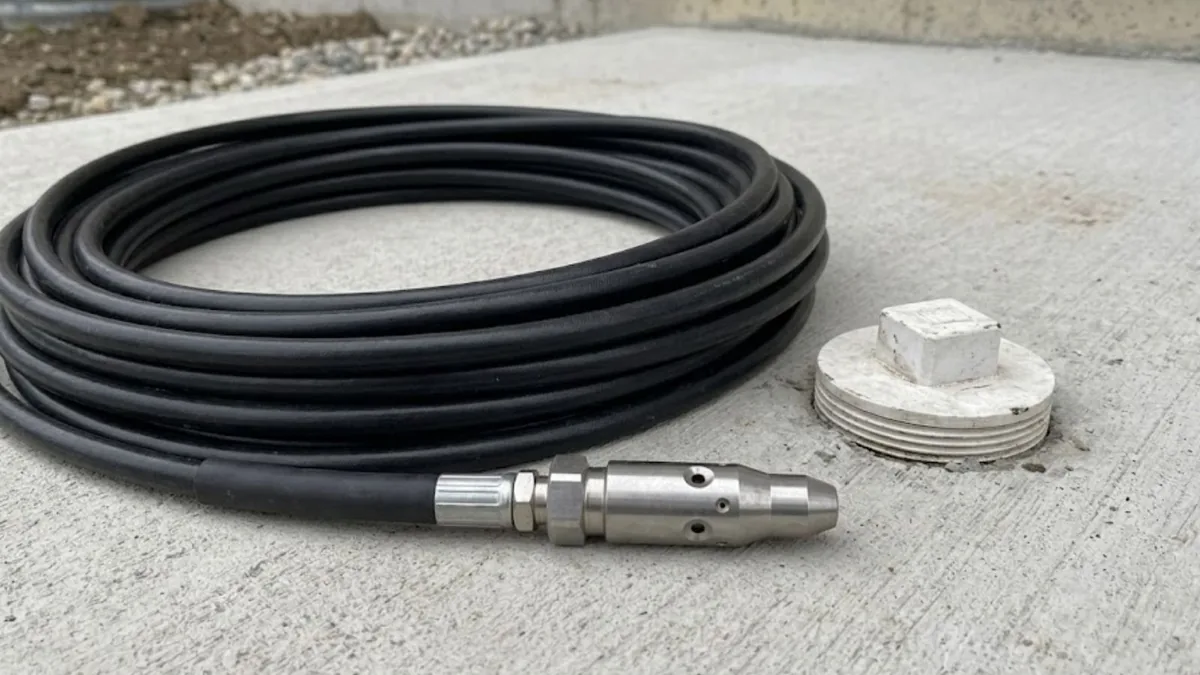
A hydro jetter pushes water through a hose at high pressure and out of a nozzle with jets that point both forward and backward. The forward jets break up a blockage and the rear jets pull the hose down the line while scouring the pipe wall. Grease, soap scale, silt, and fine roots wash toward the cleanout instead of being pushed along.
A cable machine is fine for a hairball or a toy. Jetting earns its place on long runs, kitchen lines coated with grease, and mains where roots keep returning. The tool matters less than whether it is matched to the cause, which is why a camera look comes first. The California Plumbing Code, which is based on the Uniform Plumbing Code (UPC), requires cleanouts that give access for this kind of work.
Roots are a common story in this area. Many sewer laterals in Whittier's 1950s neighborhoods were clay, and clay joints give fine roots a place to start. Jetting can cut those roots back to the pipe wall, but the roots return unless the joint is repaired.
Jetting By Situation
| Situation | Jetting a good fit? | Why |
|---|---|---|
| Grease-coated kitchen line | Yes. | Water scours the film that cables leave behind. |
| Roots in a clay main | Yes, as a temporary clear. | It cuts roots back but does not fix the joint they entered. |
| Heavy scale in an old iron pipe | With caution. | Camera findings guide pressure and nozzle choice. |
| Cracked, offset, or collapsed pipe | No. | Pressure can worsen damage. Repair comes first. |
| A single clogged sink | Rarely. | A cable is faster and costs less. |
When Jetting Is The Wrong Tool
A good technician says no when the pipe cannot take it. These are the red flags:
Visible cracks or breaks
Camera footage showing a split pipe means pressure could push water into the soil and widen the damage.
A belly that holds water
A sagging section collects debris no matter how clean the pipe walls are, and the fix is structural.
Brittle old pipe
Corroded or thin-walled pipe may not tolerate full pressure and needs a gentler approach.
Offset joints
A joint that has slid out of line catches debris. It needs correcting, not cleaning.
Line Backing Up Again?
Call and mention how long ago it was last cleared. That history shapes the plan.
Camera, Jet, Camera
Inspect
A camera shows the pipe material, the blockage, and any damage.
Set up
The jetter is staged at the cleanout with the nozzle chosen for the cause.
Clean
The line is jetted section by section until flow and walls are clear.
Verify
A second camera pass confirms the line is open.
Getting Ready For A Jetting Visit
A little preparation helps the crew work faster and keeps the property tidy.
- Locate the cleanout and clear plants, bins, or vehicles from around it.
- Gather any past inspection videos or invoices. They reveal what the line looked like before.
- Tell the dispatcher about restaurants, laundry rooms, or garbage disposals on the line, since grease and lint change the plan.
- Move rugs or valuables from the area near the lowest drain in case wastewater surges.
- Ask what the technician will do if the camera shows damage, and if you will be called before anything changes.
What Hydro Jetting Costs
Maintenance note: many homeowners policies treat jetting as maintenance and do not pay for it. If the line has failed and sewage has damaged your home, a sewer backup endorsement is what usually pays, so check yours.
Where Jetting Fits With Other Work
When footage shows a damaged pipe, the right next step is sewer spot repair and not more cleaning. For simple stoppages, ordinary drain clearing covers the first move at lower cost, and shops and restaurants should look at commercial plumbing service for grease-heavy lines.
Santa Fe Springs mixes homes with a large industrial base, so lines there can serve very different loads, and the right cleaning method depends on what the line carries.
Jetting is a common request from restaurants and shops in the Uptown business core around Philadelphia Street and Greenleaf Avenue, where grease builds up in drain lines. At home, repeat clogs in older neighborhoods such as College Hills often trace to roots at joints. A camera look decides whether jetting or a repair is the right answer.
Hydro Jetting Questions
It depends on the pipe. Sound clay and iron generally tolerate it with a controlled approach. Cracked or brittle pipe does not, so the camera look comes first.
A cable bores a hole through the clog. A jetter washes the entire pipe wall. Jetting suits repeat grease and root problems and costs more, so it is not the first move for every clog.
It cuts fine roots back to the pipe wall, but it does not stop regrowth. If roots keep coming back, the entry point needs repair.
It depends on the cause. A grease-prone line may benefit from scheduled cleaning, and a line with recurring roots may need a repair instead of repeated visits.
A surge of wastewater can reach the lowest fixture when a blockage breaks free. That is why you move valuables away and keep the lowest drains clear.
Someone should be there for the start to point out the cleanout and approve the plan, and again for the camera review if you want to see the footage.