The Short Answer
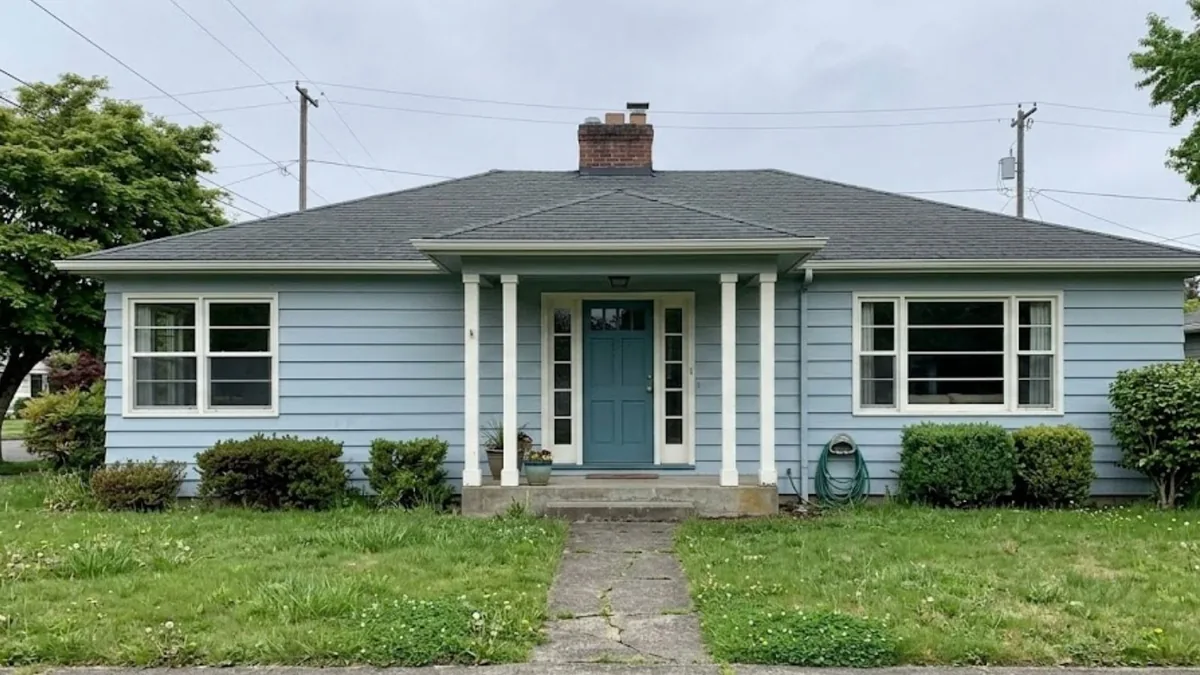
In a 1950s house, check four things before your contingency period ends: the sewer lateral by camera, the supply pipe material and pressure, the water heater's age and bracing, and the disclosures and permits for past plumbing work. Those four decide most surprise bills.
Whittier's most common build decade is the 1950s, so these checks apply to a large share of the local market. Inspection contingency periods in standard California contracts are often around 17 days, though your contract controls, so schedule the plumbing visits early.
What To Check And What It May Mean
| Item | How to check it | What a problem may mean |
|---|---|---|
| Sewer lateral | Ask for a camera inspection from the cleanout. | Roots, cracks, or offsets can mean repair or replacement. |
| Supply pipe material | Look at exposed pipe at the heater, under sinks, and at the main. | Galvanized steel or aging copper may mean repiping in time. |
| Water pressure | Put a gauge on a hose bib. | Over 80 psi suggests a bad regulator. Very low suggests restrictions. |
| Water heater | Read the data plate and look for two straps. | An old or unstrapped heater means near-term cost and a disclosure issue. |
| Fixtures | Check toilet tank stamps and showerhead ratings. | Noncompliant fixtures must be disclosed and replaced. |
| Shutoff valves | Turn each valve under sinks and toilets. | Seized valves complicate any repair. |
A Walkthrough Checklist For Showings
You can learn a lot in ten minutes before you make an offer.
- Run a tap in every room and watch for pressure that drops, water that runs brown, or a delay before the hot water arrives.
- Look under every sink for stains, soft cabinet floors, and corroded shutoff valves.
- Flush each toilet and check for running water, rocking, and moisture at the base.
- Find the water heater. Note its age, the straps, any rust at the base, and the condition of the relief valve pipe.
- Look at the yard near the cleanout and the meter for soggy patches, unusually green spots, or sunken ground.
- Ask the seller for permits and invoices for any plumbing work, including water heater changes and sewer repairs.
The Sewer Lateral Is The Big Unknown
Sewer laterals from the 1950s were often clay or cast iron, and roots find clay joints. A camera inspection shows the pipe from the cleanout toward the street, and it can reveal cracks, offsets, and root growth that no visual inspection can see.
If the camera shows damage, you have choices. You can negotiate a price reduction or a credit, ask the seller to repair it, or plan to repair it yourself after closing. Get a written estimate during the contingency period so you are negotiating with a number and not a guess.
Want A Plumbing Look Before You Buy?
Call and ask about a camera inspection and a pressure and leak check.
Using The Contingency Period Well
Book
Schedule the camera inspection and plumbing visit in the first few days.
Review
Read the reports and ask the plumber to explain every finding.
Price
Get written estimates for anything that needs work.
Negotiate
Ask for repairs, credits, or a price change based on the numbers.
Disclosures You Should Expect
California sellers must certify in writing that the water heater is braced, anchored, or strapped, under Health and Safety Code 19211. For homes built before 1994, sellers must also disclose whether noncompliant plumbing fixtures remain, meaning toilets over 1.6 gallons per flush, showerheads over 2.5 gallons per minute, or interior faucets over 2.2 gallons per minute.
Read the disclosure forms carefully and compare them with what you saw in the walkthrough. A form that says there are no plumbing issues next to a stained cabinet floor is a reason to ask questions, not to assume.
Planning The Repairs You Find
A damaged lateral points toward camera-guided sewer repair or, if the pipe is beyond saving, replacement. Supply pipes that are failing or discolored suggest looking at home repipe service. An old heater is a candidate for tank water heater replacement with new bracing and a permit, and any sign of hidden water loss deserves leak location.
Mid-century tract neighborhoods like those in Pico Rivera offer many homes with the same layout, so the findings from one inspection often foreshadow what the neighbors have already repaired. Ask neighbors and the seller what the street has needed over the years.
Red Flags To Raise With The Seller
None of these proves a problem, but each deserves a direct question and a follow-up test.
Fresh paint on one ceiling or cabinet
New paint in a single spot can hide an old stain. Ask what happened and whether a leak was repaired.
Rust-colored water at first draw
Orange water that clears after a minute can point to corroding steel pipe.
Slow drains in more than one fixture
Several slow drains suggest the main or lateral, not a single clogged trap.
A patchwork of pipe materials
Mixed copper, galvanized, and plastic usually means a history of repairs. Ask who did them and whether permits were pulled.
Turning Findings Into A Negotiation
A finding only helps you if it comes with a price. Ask each plumber for a written estimate that names the work, the method, and the scope, and keep the camera footage. A seller is far more likely to respond to a documented repair estimate than to a general worry.
Decide what you can live with and what you cannot. A seized shutoff valve is a small repair. A lateral that needs full replacement, or supply lines near the end of their life, can change the price you should be paying. Your agent can help you frame the request, and the plumber can explain what the numbers mean.
Older Home Buyer Questions
For a 1950s home, yes. It shows roots, cracks, and offsets that a standard inspection cannot see, and it gives you something concrete to negotiate with.
Galvanized steel and aging copper with repeated leaks. Drain lines of cast iron or clay with roots are the other common concern.
Tank heaters often last about 8 to 12 years. If the one in the house is near or past ten, plan for replacement.
The water heater bracing certification, the water-conserving fixture disclosure for pre-1994 homes, and known defects on the standard forms.
Yes, through repair requests, credits, or price adjustments during the contingency period. Your agent can guide the process.
Standard California contracts often give around 17 days, but your contract controls. Schedule early.